
Is It Legal to Download TikTok Videos? A Quick Breakdown
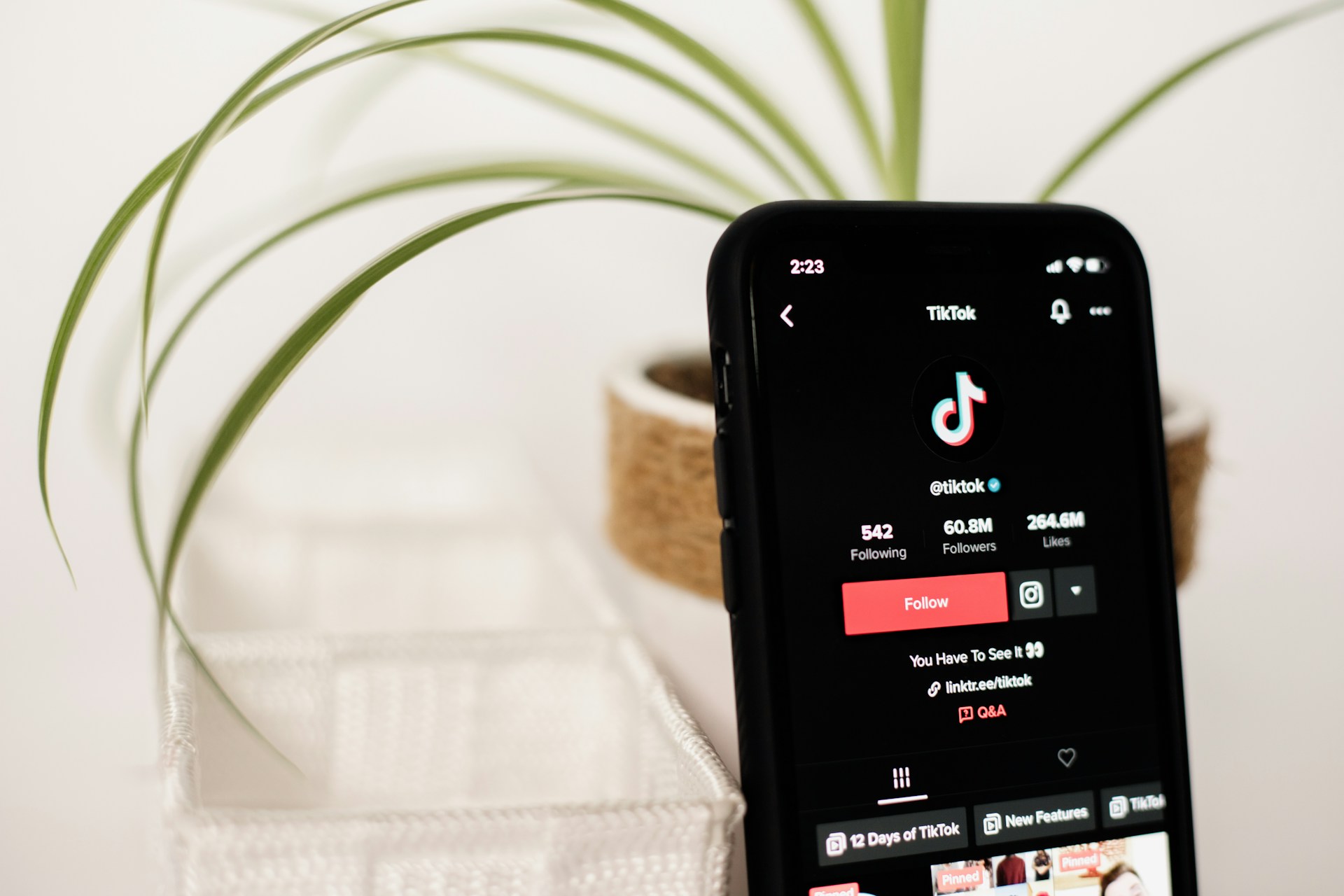
TikTok is everywhere. Millions of videos get added every day. Some are hilarious, some are straight-up genius, and some you just want to save for later. Naturally, many users want to save their favorite clips. Is it actually legal to save these videos?
Why People Download TikTok Videos
Before we go into the legal side of downloading, let’s discuss why people even care about downloading TikToks.
First of all, some want to watch a video on a plane, the subway, or anywhere the WiFi is not strong or safe. Others save videos that they believe will be useful later on. Many creators want to keep a backup of their masterpieces.
In some cases, people download TikToks to send a clip to their friend who refuses to use TikTok. Research for work or school, like journalism or marketing, is also a possible reason.
These are all totally legit reasons. But just because you can doesn’t mean you should (or that it’s legal).
TikTok’s Built-In Download Option
First of all, it is necessary to know that TikTok actually lets you download some videos, right there in the app. If the creator is fine with it, you’ll see the “Save video” button.
You can use the button to get the video on your phone, complete with a TikTok watermark and the username across it. There are two main reasons why the watermark is added:
- It shows who made it.
- It serves as a copyright measurement.
If you’re using TikTok’s own feature, you’re generally fine. The trouble starts when you want to get sneaky with third-party downloaders that rip TikToks without permission—or without the watermark.
The Legal Side: Copyright and Fair Use
So, is it legal to download TikTok videos? The short answer: it depends on whose content it is and how you use it. Let’s walk through the most common cases:
- If you are downloading your own content, you have the law on your side and can do with it whatever you desire.
- If you are downloading a video with the “Save” option turned on, it means TikTok and the creator said yes. So, you’re good as long as it’s for personal use. You should not reupload it or claim to be your own.
- Downloading a video without the “Save” option falls into the gray zone. It is generally okay if the content will be used for personal purposes. Otherwise, you need to get the creator’s permission.
- Do you want to share or repost someone else’s TikTok? Unless you have approval, you might get into trouble.
- Using TikToks in research or education sometimes falls under “Fair use” (like tiny clips in a school project). Full downloads and re-uploads typically do not fall under “Fair use.”
TikTok’s Terms of Service on Downloads
TikTok’s Terms of Service can be summarized as “Respect creators.” You should not copy, rip, or share stuff outside the app unless it’s allowed.
In other words, you can get in legal trouble if you’re saving or sharing stuff you don’t own. You can use their built-in tools to share or save. When it comes to other actions, they might fall outside the approved uses.
When Downloading Might Be Legal Under “Fair Use”
Sometimes, copyright law makes exceptions and has some gaps. You can actually grab TikTok clips for things like commentary or reviews, such as quoting a snippet for a critique.
Sometimes it is also okay to use the videos for parody or satire (e.g., making a meme). Teachers also sometimes turn to this exception if they use the content in their lectures. News channels that report on TikTok are also typically not punished.
At the same time, “Fair use” isn’t some magical shield. You should still always respect individuals who post the videos.
Frequently Asked Questions
Can I download TikToks with a watermark?
Yes, as long as the creator left the save option on. Watermark is there for a reason—credit is key, and official features keep you safe (for personal use).
Can I repost a video I downloaded?
No, unless you got explicit permission from the creator to do so. You might be fine posting snippets of a video under “Fair Use.”
Is it legal to use TikTok downloaders for research?
If it’s just for private study or non-commercial research, you should typically be fine.
What’s the safest way to download TikToks?
You should use TikTok’s built-in “Save video” feature, if possible, or use trustworthy online downloaders, such as Dumtok.
Is downloading TikToks for commercial use allowed?
If you want to use someone’s TikTok in marketing, ads, or other commercial purposes, you need to contact the creator and get consent.
Legal Disclaimer
This site has no association with or supported by TikTok. The info provided on this site is just for learning. Individuals should only download or share TikToks if they own the content, have the creator’s permission, or their use falls under “Fair Use.”
Do you want to save TikToks for later without getting in trouble? Use reliable and secure tools like Dumtok and give the creators credit.